
Mount Kilimanjaro Hiking Safari
Book a Mount Kilimanjaro hiking safari via Machame, Marangu, Lemosho or Rongai routes. Expert guides, park fees, meals, accommodation and transfers included.
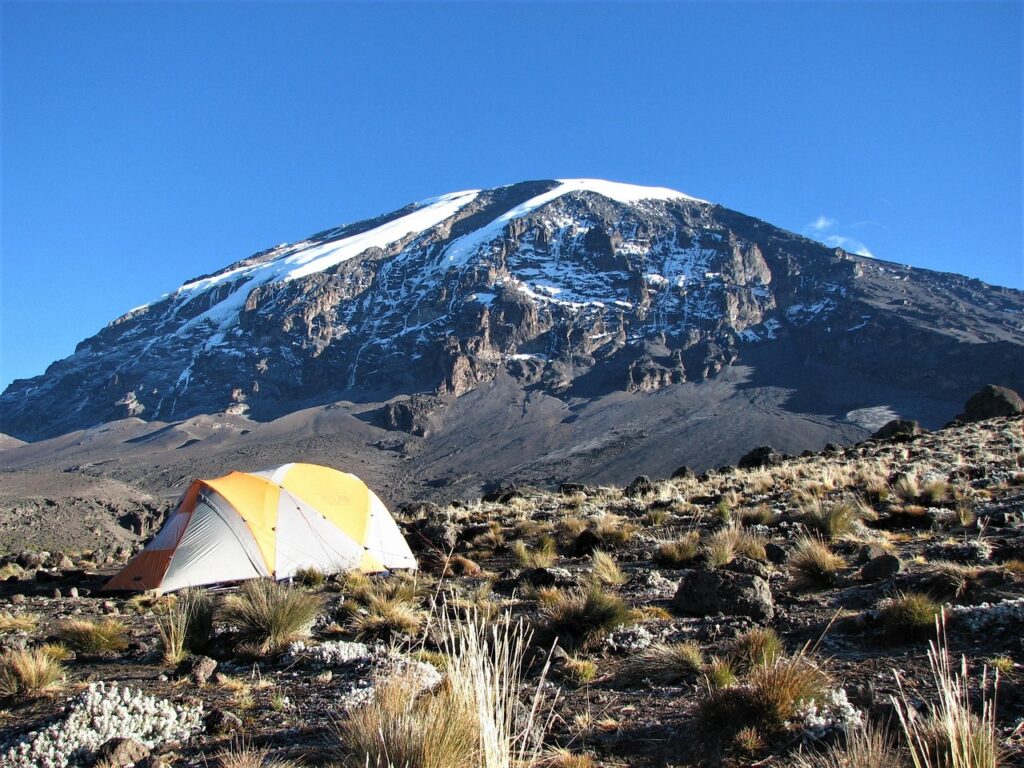
Mount Kilimanjaro (5,895m) is the highest mountain in Africa and one of the world’s most sought-after trekking destinations. Located in northern Tanzania near the Kenya border, Kilimanjaro attracts thousands of climbers every year who dream of standing on Uhuru Peak, the highest point on the African continent.
Our Mount Kilimanjaro Hiking Safari offers professionally guided climbs through the most popular routes including the Machame Route, Marangu Route, Lemosho Route, Rongai Route, and Northern Circuit. Whether you are a beginner or an experienced trekker, our Kilimanjaro climbing packages provide the support, safety, and expertise required for a successful summit.
The journey to the summit takes you through five distinct ecological zones, from lush rainforest and moorland to alpine desert and the glaciers of Uhuru Peak. Every day presents spectacular scenery, unique wildlife, and breathtaking views of East Africa.
Why Climb Mount Kilimanjaro?
Africa’s Highest Mountain
Standing at 5,895 metres above sea level, Mount Kilimanjaro is Africa’s highest peak and one of the famous Seven Summits.
No Technical Climbing Required
Unlike many high mountains, Kilimanjaro can be climbed without ropes or mountaineering experience, making it accessible to fit beginners.
Incredible Landscapes
Experience rainforest, giant heather moorlands, alpine deserts, volcanic formations, glaciers, and stunning summit views.
Lifetime Achievement
Reaching Uhuru Peak is a major personal accomplishment and one of the world’s greatest trekking adventures.
Mount Kilimanjaro Routes Comparison
Machame Route
Known as the “Whiskey Route,” Machame offers spectacular scenery and excellent acclimatization opportunities. It is one of the most popular Kilimanjaro routes.
Marangu Route
Often called the “Coca-Cola Route,” Marangu is the only route with mountain huts instead of camping.
Lemosho Route
The Lemosho Route offers some of the best scenery and one of the highest summit success rates.
Rongai Route
Approaching from the northern side, Rongai is quieter and receives less rainfall than other routes.
Northern Circuit
The longest route on Kilimanjaro with the highest success rate due to superior acclimatization.
Mount Kilimanjaro Routes Compared
| Route | Duration | Difficulty | Success Rate |
|---|---|---|---|
| Marangu | 5-6 Days | Moderate | Medium |
| Machame | 6-7 Days | Moderate-Hard | High |
| Lemosho | 7-8 Days | Moderate | Very High |
| Rongai | 6-7 Days | Moderate | High |
| Northern Circuit | 8-9 Days | Moderate | Highest |
Best Time to Climb Mount Kilimanjaro
January to March
- Less crowded
- Cooler conditions
- Occasional snow near the summit
June to October
- Dry weather
- Excellent visibility
- Peak climbing season
December
- Popular holiday climbing season
- Good trekking conditions
Kilimanjaro Altitude and Acclimatization
Altitude sickness is the main challenge on Mount Kilimanjaro. Proper acclimatization significantly increases your chances of reaching Uhuru Peak.
Tips for successful acclimatization:
- Walk slowly
- Stay hydrated
- Follow your guide’s instructions
- Choose longer routes where possible
- Get adequate rest
Flora and Wildlife of Mount Kilimanjaro
The mountain contains five ecological zones:
Cultivation Zone
Coffee plantations and local Chagga villages.
Rainforest Zone
Dense forests with monkeys, birds, and rich vegetation.
Heath and Moorland Zone
Giant lobelias and groundsels dominate the landscape.
Alpine Desert Zone
Sparse vegetation and dramatic volcanic terrain.
Arctic Summit Zone
Glaciers, snowfields, and rocky summit landscapes.
Wildlife includes:
- Colobus monkeys
- Blue monkeys
- Bushbucks
- Sunbirds
- Chameleons
What to Pack for Mount Kilimanjaro
Essential equipment includes:
- Waterproof hiking boots
- Warm down jacket
- Thermal clothing
- Hiking poles
- Headlamp
- Sunglasses
- Warm gloves
- Sleeping bag
- Sunscreen
- Reusable water bottles
Frequently Asked Questions About Mount Kilimanjaro
How difficult is Mount Kilimanjaro?
Kilimanjaro is physically demanding but does not require technical climbing skills.
Can beginners climb Kilimanjaro?
Yes. Many first-time trekkers successfully summit Kilimanjaro with proper preparation.
How many days does it take to climb Kilimanjaro?
Most climbers spend between 6 and 9 days on the mountain.
What is the success rate?
Success rates vary by route, with longer routes such as Lemosho and Northern Circuit generally achieving the highest summit success.
What is the highest point on Kilimanjaro?
Uhuru Peak at 5,895 metres above sea level.
Do I need travel insurance?
Yes. Comprehensive travel and evacuation insurance is highly recommended.
| 6 Days 5 Nights Marangu route | 47500/$1675 |
| 6 Days 5 Nights Machame Route | 49750/ $1699 |
| 7 Days 6 Nights Rongai Route | 59500/$1725 |
Inclusions
- Guides and crew: Professional, licensed guides, assistant guides, cooks, and porters.
- Park fees and permits
- Meals and water: Three meals a day, plus snacks and purified drinking water.
- Camping gear: Tents, sleeping mats, and sometimes dining tents.
- Safety equipment: First-aid kits, pulse oximeters, and oxygen tanks.
- Logistics: GPS tracking of the group and daily health checks.
- Transfers: Round tranfers from Nairobi or JKIA
Exclusions
- Personal gear: Items like sleeping bags, warm clothing (jackets, hats, gloves), hiking boots, and trekking poles are usually your responsibility.
- Personal snacks and drinks: While some packages include meals, personal snacks and drinks are often excluded.
- Insurance: Travel or medical insurance is typically not included and is highly recommended.
- Tips: Gratuities for guides and porters are generally not in the package price.
- Personal items: Toiletries and other personal expenses are excluded.


Leave a Reply