
Mount Kenya Hiking Safari – Guided Trekking Tours from Nairobi
Experience the ultimate Mount Kenya hiking safari from Nairobi. Explore Sirimon, Chogoria and Naro Moru routes, breathtaking alpine scenery, wildlife, mountain huts and expert-guided trekking adventures.
Why Hike Mount Kenya?
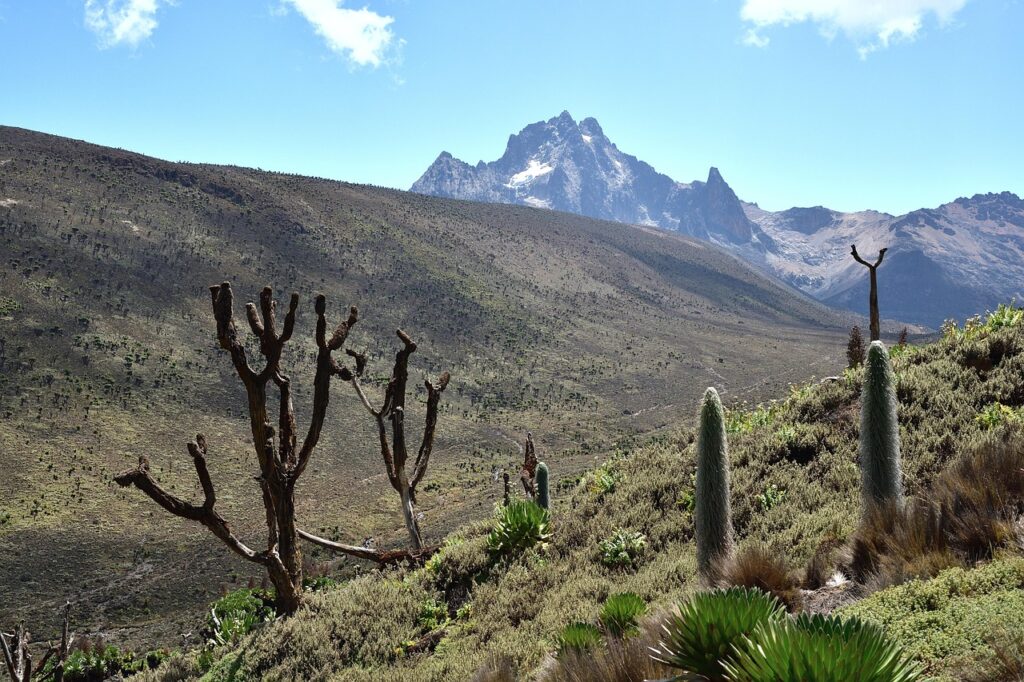
Mount Kenya is Africa’s second-highest mountain after Kilimanjaro and one of the continent’s most rewarding trekking destinations. The mountain offers spectacular landscapes ranging from dense rainforest and bamboo zones to alpine moorlands, glaciers, tarns, and rugged peaks. A Mount Kenya hiking safari combines adventure, wildlife viewing, breathtaking scenery, and cultural experiences in one unforgettable journey.
Benefits of Hiking Mount Kenya
- Less crowded than Kilimanjaro
- UNESCO World Heritage Site
- Diverse ecosystems and wildlife
- Spectacular sunrise views
- Suitable for beginners and experienced trekkers
- Multiple routes with varying difficulty levels
Mount Kenya Hiking Routes
Sirimon Route
The Sirimon Route is the most popular approach to Mount Kenya. It offers gradual acclimatization, beautiful moorland scenery, and excellent summit success rates.
Chogoria Route
Widely considered the most scenic route on Mount Kenya, Chogoria features dramatic cliffs, waterfalls, Lake Michaelson, and panoramic views.
Naro Moru Route
The fastest route to Point Lenana. Ideal for trekkers with limited time but requires good fitness due to the rapid ascent.
Burguret Route
A remote and less-traveled route offering wilderness experiences and excellent opportunities for birdwatching.
Mount Kenya Peaks
Point Lenana (4,985m)
The most visited summit and achievable without technical climbing.
Batian Peak (5,199m)
The highest point on Mount Kenya requiring technical climbing skills.
Nelion Peak (5,188m)
A challenging technical climb suitable for experienced mountaineers.
Wildlife on Mount Kenya
Mount Kenya National Park hosts a remarkable variety of wildlife including:
- African buffalo
- The endangered Mountain Bongo
- Bushbucks
- Colobus monkeys
- Sykes monkeys
- Giant forest hogs
- Hyraxes
- Over 130 bird species
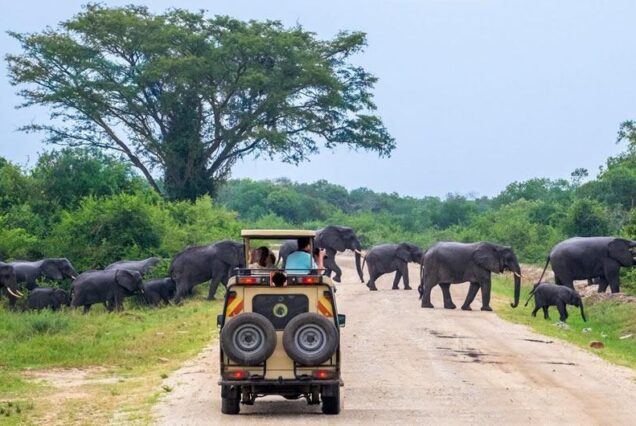
Wildlife encounters are common in the lower forest zones of the mountain.
Best Time to Hike Mount Kenya
January to March
- Clear skies
- Dry trails
- Excellent mountain views
June to October
- Most popular trekking season
- Stable weather
- Great photography opportunities
Avoid April-May and November where heavy rains may affect trekking conditions.
What to Pack for a Mount Kenya Trek
Essential Hiking Gear
- Waterproof hiking boots
- Warm fleece jacket
- Down jacket
- Rain gear
- Thermal base layers
- Headlamp
- Trekking poles
- Sunglasses
- Sunscreen
- Reusable water bottle
- Daypack
Mount Kenya Hiking Difficulty
Mount Kenya is considered a moderate to challenging trek depending on the route chosen. Point Lenana can be reached by hikers with reasonable fitness levels. Proper acclimatization significantly improves summit success rates.
Frequently Asked Questions
How many days do I need to hike Mount Kenya?
Most trekkers require 4 to 6 days to reach Point Lenana and descend safely.
Can beginners hike Mount Kenya?
Yes. Point Lenana is achievable for beginners with good preparation and guidance.
Is Mount Kenya harder than Kilimanjaro?
Mount Kenya is generally considered less crowded and more scenic, while Kilimanjaro reaches a higher altitude.
Do I need technical climbing skills?
No technical skills are needed for Point Lenana. Batian and Nelion require technical mountaineering experience.
What is the highest point on Mount Kenya?
Batian Peak at 5,199 meters above sea level.
Rates & Packages:
| 3 Days 2 Nights Naro Moru route | 40000/$600 |
| 4 Days 3 Nights Sirmon route | 35000 /$720 |
| 5 Days 4 Nights Chogoria route | 45000/$800 |
| 6Days 5Nights Naro Moru-Chogoria | 50000/$850 |
Inclusions
- Guides and crew: Professional, licensed guides, assistant guides, cooks, and porters.
- Park fees and permits: All required entry, camping, and conservation fees for Mt Kenya National Park.
- Meals and water: Three meals a day, plus snacks and purified drinking water.
- Camping gear: Tents, sleeping mats, and sometimes dining tents.
- Safety equipment: First-aid kits, pulse oximeters, and oxygen tanks.
- Logistics: GPS tracking of the group and daily health checks.
- Transfers: Round tranfers from Nairobi or JKIA
Exclusions
- Personal gear: Items like sleeping bags, warm clothing (jackets, hats, gloves), hiking boots, and trekking poles are usually your responsibility.
- Personal snacks and drinks: While some packages include meals, personal snacks and drinks are often excluded.
- Insurance: Travel or medical insurance is typically not included and is highly recommended.
- Tips: Gratuities for guides and porters are generally not in the package price.
- Personal items: Toiletries and other personal expenses are excluded.


Leave a Reply